Read Now
Getting your Trinity Audio player ready... |
Saag Recipe
Saag Recipe and Ingradients
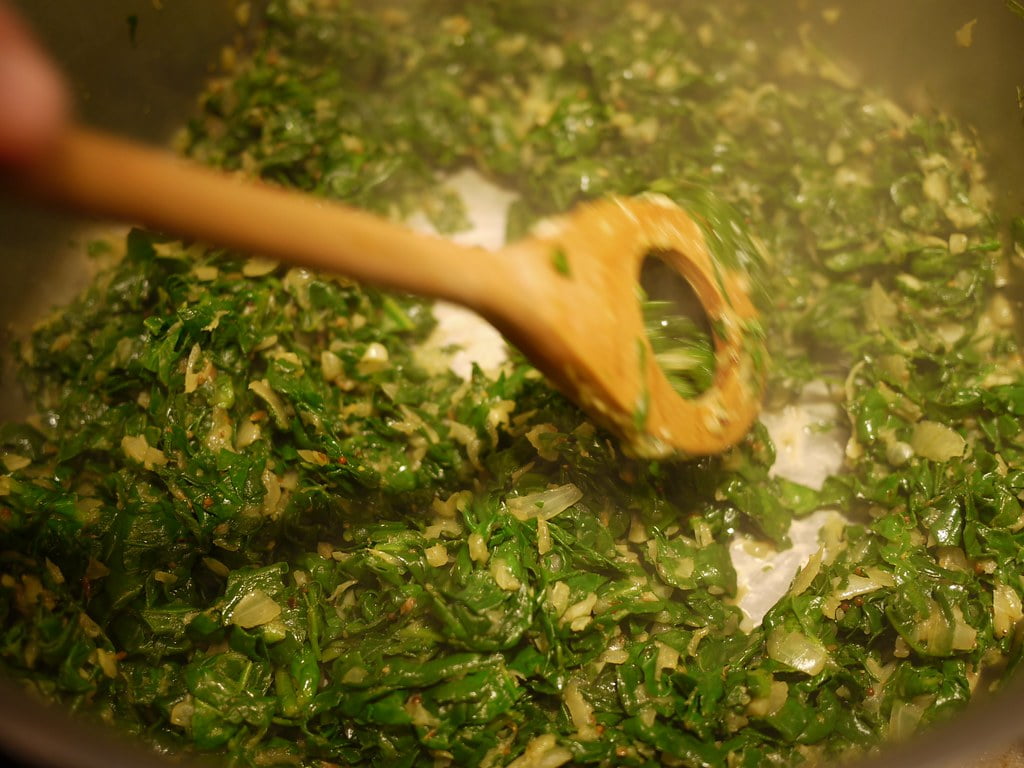
Saag is a popular dish in Indian cuisine, primarily made with leafy greens like spinach or mustard greens, and is often enjoyed with various types of bread or rice. Here’s a simple and flavorful recipe for Saag:
Saag (Spinach) Recipe
Ingredients:
- 1 pound (450g) fresh spinach leaves (or a mix of spinach and other leafy greens like mustard greens)
- 2 tablespoons vegetable oil (or ghee for a richer flavor)
- 1 large onion, finely chopped
- 2-3 garlic cloves, minced
- 1 tablespoon ginger, minced
- 1-2 green chilies, finely chopped (adjust to taste)
- 1 large tomato, finely chopped
- 1 teaspoon cumin seeds
- 1 teaspoon turmeric powder
- 1 teaspoon ground coriander
- 1 teaspoon garam masala
- 1/2 teaspoon red chili powder (optional, adjust to taste)
- Salt to taste
- 1/2 cup water (or as needed)
- 1 tablespoon lemon juice (or to taste)
- 1/4 cup heavy cream or yogurt (optional for creaminess)
Instructions:
- Prepare the Spinach:
- Wash the spinach leaves thoroughly and remove any tough stems.
- Blanch the spinach in boiling water for about 2 minutes to soften.
- Drain the spinach and immediately transfer it to a bowl of ice water to stop the cooking process.
- After cooling, drain again and chop the spinach coarsely or blend it to a smooth puree, depending on your preference.
- Cook the Base:
- Heat oil or ghee in a large pan over medium heat.
- Add cumin seeds and let them sizzle for a few seconds.
- Add chopped onions and sauté until they turn golden brown.
- Add minced garlic, ginger, and green chilies. Cook for another 2-3 minutes until fragrant.
- Add Tomatoes and Spices:
- Add the chopped tomatoes and cook until they become soft and the oil starts to separate from the mixture.
- Stir in turmeric powder, ground coriander, garam masala, and red chili powder. Cook for 1-2 minutes to let the spices blend well with the tomato-onion mixture.
- Add Spinach:
- Add the chopped spinach (or spinach puree) to the pan. Mix well with the spice mixture.
- Add water to reach your desired consistency. Cook for 10-15 minutes, stirring occasionally, until the flavors meld together and the spinach is cooked through.
- Finish the Dish:
- Adjust the salt to taste.
- If using, stir in heavy cream or yogurt for a creamy texture. Cook for an additional 2-3 minutes.
- Add lemon juice for a bit of tanginess and mix well.
- Serve:
- Serve hot with naan, roti, or rice. Enjoy!
Feel free to adjust the spices and add extra ingredients like paneer (Indian cheese) or mushrooms if you like. Saag is versatile and can be customized to suit your taste!
Health Benefits of Eating Saag
It is high in fibre, minerals and vitamins and contains relatively little calories.
Sarso ka Saag is high in three potent antioxidants: vitamin K, vitamin A, and vitamin C.
They’re also high in manganese, folate, and vitamin E. Vitamins E, C, and A, aid in the elimination of free radicals, which harm cell membranes. They give tremendous advantages to patients suffering from asthma, heart disease, and menopausal symptoms when used together.”
Long-term swelling can raise the risk of cancer, heart disease, rheumatoid, and other diseases.
Mustard greens include anti-inflammatory compounds such as vitamin K and omega-3 fatty acids.
Sarso ka Saag is said to fight cancer due to their antioxidant and anti-inflammatory characteristics.
It may be beneficial in avoiding cancers of the bladder, colon, breast, lungs, prostate, and ovary.
Mustard greens include vitamin C, which assists in the breakdown of histamine, an inflammatory chemical that is produced in large quantities in asthmatics. Furthermore, the magnesium concentration relaxes the bronchial passages and lungs.
Folate can help prevent homocysteine accumulation, which is a risk factor for cardiovascular disease. high in dietary fibre, such as mustard greens or Sarso ka saag, help to regulate metabolism and maintain a healthy body weight.
The phytonutrients – glucosinolates and phenols are in abundance in sarson ka saag.
These phytonutrients protect the body from diseases and environmental distress.
They strengthen the body from within.
Sarson ka saag helps the body complete the bile binding process efficiently.
It helps reduce the quantity of bad cholesterol in the b
The vitamin C content in sarson ka saag has immunity-boosting properties which prevent the body from cell damage, strengthen it from within and prevent the onset of diseases such as cancer. It
Health Benefits of Eating Saag
It is high in fibre, minerals and vitamins and contains relatively little calories.
Sarso ka Saag is high in three potent antioxidants: vitamin K, vitamin A, and vitamin C.
They’re also high in manganese, folate, and vitamin E. Vitamins E, C, and A, aid in the elimination of free radicals, which harm cell membranes. They give tremendous advantages to patients suffering from asthma, heart disease, and menopausal symptoms when used together.”
Long-term swelling can raise the risk of cancer, heart disease, rheumatoid, and other diseases.
Mustard greens include anti-inflammatory compounds such as vitamin K and omega-3 fatty acids.
Sarso ka Saag is said to fight cancer due to their antioxidant and anti-inflammatory characteristics.
It may be beneficial in avoiding cancers of the bladder, colon, breast, lungs, prostate, and ovary.
Mustard greens include vitamin C, which assists in the breakdown of histamine, an inflammatory chemical that is produced in large quantities in asthmatics. Furthermore, the magnesium concentration relaxes the bronchial passages and lungs.
Folate can help prevent homocysteine accumulation, which is a risk factor for cardiovascular disease. high in dietary fibre, such as mustard greens or Sarso ka saag, help to regulate metabolism and maintain a healthy body weight.
The phytonutrients – glucosinolates and phenols are in abundance in sarson ka saag.
These phytonutrients protect the body from diseases and environmental distress.
They strengthen the body from within.
Sarson ka saag helps the body complete the bile binding process efficiently.
It helps reduce the quantity of bad cholesterol in the b
The vitamin C content in sarson ka saag has immunity-boosting properties which prevent the body from cell damage, strengthen it from within and prevent the onset of diseases such as cancer. It prevents seasonal and viral infections, such as cold and flu too.
FAQs
Is spinach same as saag?
Saag is usually made with mustard leaves in Punjab, although spinach is common in other parts of the world. Saag is commonly served hot, usually with roti (wheat bread), chapati, makki ki roti, bajra ki roti and topped with clarified butter.
What is saag called in English?
The term ‘saag’ typically refers to a dish that is made from a variety of green leafy vegetables, such as spinach, mustard greens, or collard greens, that are cooked with spices and sometimes paneer (Indian cheese) or meat. In English, the term ‘saag’ is often translated simply as ‘greens’ or ‘leafy greens’Is a saag healthy?
Sarson ka Saag, a traditional Punjabi dish, is not just a culinary delight but also a powerhouse of health benefits. Crafted from mustard greens and accompanied by seasonal greens like spinach and bathua, this dish is rich in essential nutrients, vitamins, and antioxidants.
Is saag increase cholesterol?
According to Chawla, Sarso ka Saag benefits cardiac health in a variety of ways. They aid in cholesterol reduction and are a rich source of folate. Folate can help prevent homocysteine accumulation, which is a risk factor for cardiovascular disease.
Is bathua and saag same?
Bathua is one of the most common leafy greens prepared in most Indian households. This saag is naturally rich in dietary fiber, vitamins and minerals like vitamin A and calcium to name a few.
Can I eat saag everyday?
Eating spinach daily can support your health since it contains vitamins A, C and K, folate, iron and magnesium. However, it’s more important to eat a balanced diet that includes a variety of vegetables to help ensure you’re consuming a wide range of nutrients.
What is the difference between palak and saag?
Since palak means spinach, palak paneer is made with spinach. But saag typically refers to many different greens like mustard greens, radish greens, fenugreek leaves and few others. So usually saag is made with any or all of these.
What are the side effects of eating Saag?
The oxalic acid in spinach can bind with excess calcium in your kidneys and create kidney stones. If you know you are prone to developing kidney stones, you should eat spinach in moderation. Spinach is also high in potassium, which can be dangerous for people who already have severe kidney disease.
Why shouldn’t we eat saag at night?
Spinach if had at night leads to sleeplessness. It contains an amino acid called glutamine which stimulates the body to get rid of the cellular toxins which are the main cause of sleeplessness. It may also make you feel bloated.
Is saag difficult to digest?
It is believed that too much consumption of saag can lead to gas, acidity and bloating. Eating saag creates Ama(toxin) in the body which affects the digestion as well as the liver, skin, respiratory system and often triggers joint pains.
saag recipe
saag recipe
saag recipe
saag recipe
saag recipe
saag recipe
saag recipe
saag recipe
saag recipe
saag recipe
saag recipe
saag recipe
saag recipe
saag recipe