Read Now
Getting your Trinity Audio player ready... |
Makki Roti Benefits and Calories, Ingradients, Recipe
Makki Roti Benefits and Calories, Ingradients, Recipe
Facts
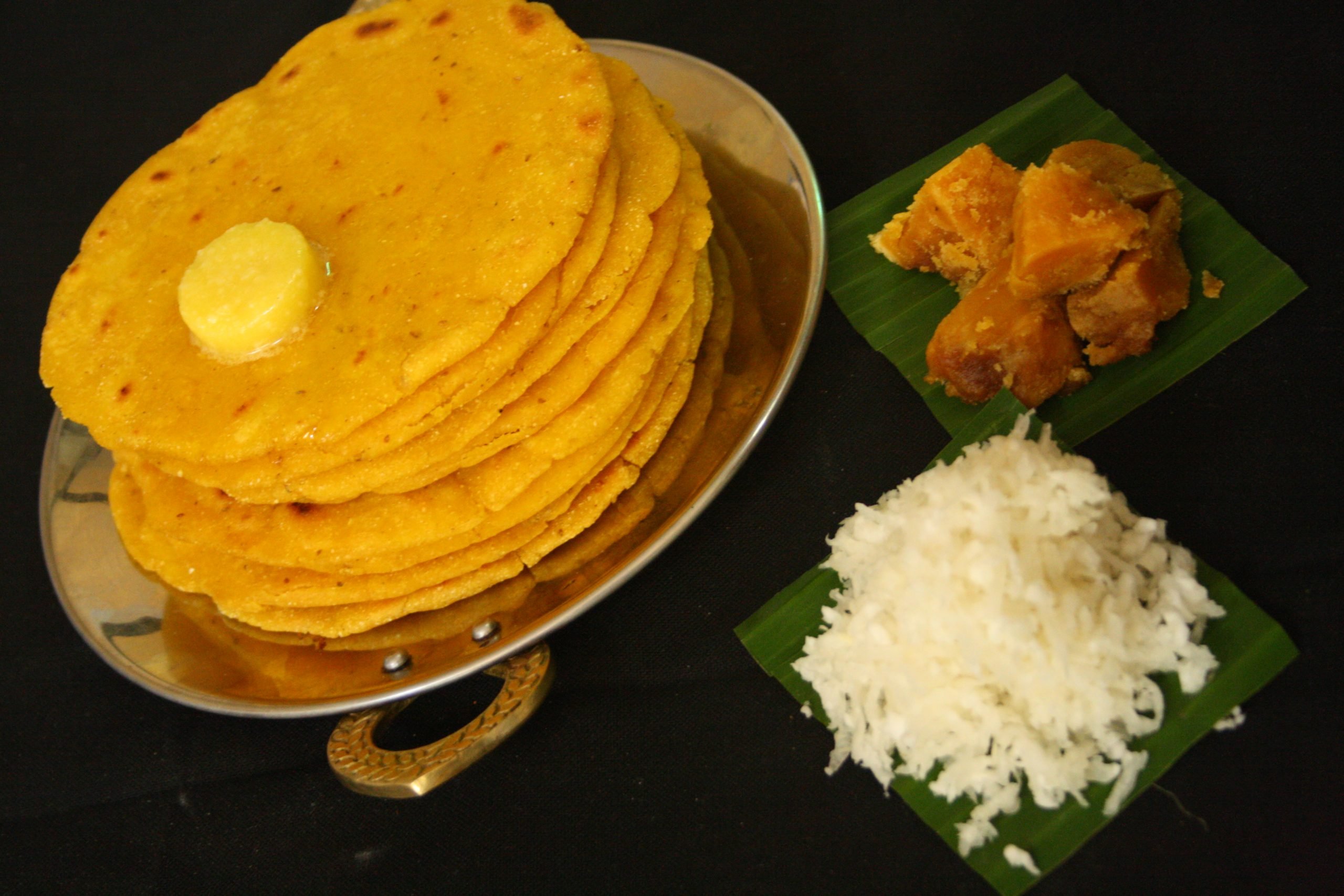
- Makki ki roti is a flat unleavened bread made from corn meal (maize flour),[2] primarily eaten in the Jammu region, Himachal Pradesh, Punjab, Haryana, Rajasthan, Uttar Pradesh, and Uttarakhand in North India and Gujarat, Maharashtra in Western India and also in Nepal.[3] Like most rotis in the Indian subcontinent, it is baked on a tava.
- Makki ki roti is often served with warming winter dishes based on greens (saag), such as sarson ka saag and channa ka saag. In Himachal it is also eaten with Maah (Urad) daal.[8]
- Vitamins A, C, and K are all included in makki flour, along with B vitamins.
- Additionally rich in iron, phosphorus, zinc, and antioxidants are maize flour.
- A fibrous flour that aids in controlling blood sugar is makki flour. A diet rich in fibre makes sure that blood sugar is released gradually, preventing an insulin spike in the process.
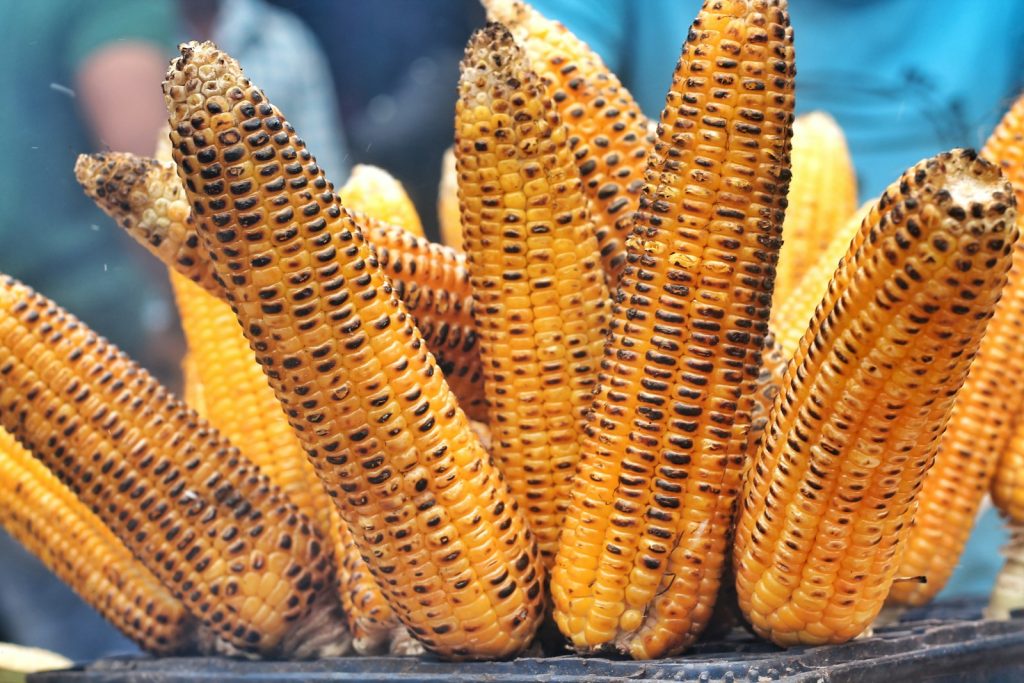
- Since Makki is naturally warm, Makki Ki Roti will keep you warm in the cold. Combine it with saag, top it with a dollop of butter or ghee, and savour the winter months
- rich source of folic acid which is a must-have nutrient for pregnant women and new mothers.
- it is gluten-free and lactose intolerant, maize is the best flour to use. People who are lactose intolerant typically need to cut out wheat chapati and other foods high in gluten from their diet.
- components in makki roti help to reduce the presence of bad cholesterol in the arteries of the heart.
- Corn is known to help in weight gain. Therefore, Makki ki roti can also help you gain a few pounds if you are underweight.
FAQs
Is makki roti better than wheat roti?
Blood Sugar Control: The lower glycemic index of makki as compared to wheat flour or atta aids in stabilizing blood sugar levels.
Which is better jowar or makki?
The real difference arises in the fat content in the two. While one must follow a moderated approach to lose weight and consume all carbs in moderation, jowar atta can make for a slightly more helpful addition in your weight loss journey than makke ka atta.
Is makki roti good for diet?
Makki ki roti is beneficial for weight reduction, heart patients, and diabetes. Beta-carotene, selenium, C, K, and A vitamins are all present in good amounts in makki roti. All of these nutrients support immune maintenance and can enhance thyroid gland function.
Is makki di roti gluten-free?
Bajra roti, ragi roti, and jowar roti are other wholesome and nutritious flatbreads originating from various regions in India. These rotis, like makki ki roti, are gluten-free and offer a healthier alternative to those seeking diverse and nutritious grain options.
Is Makki ki Roti hard to digest?
Its high fiber content promotes gradual blood sugar release, supports digestion, and contributes to overall gut health. Makki ki roti, made from maize flour, is an ideal choice for those with gluten and lactose intolerance.
What is makki flour made of?
Note: Makai Atta (makki ka aata or corn flour) is made by grounding corn kernels into fine powder and it has yellow color. Do not use the corn meal which has a grainy texture like semolina. Also, do not use white corn flour which is similar to starch and generally used for thickening the soup and gravy.
Is makki roti good for weight loss?
Ideal for those striving to shed pounds, Makki Ki Roti is a low-carb option. Its high fibre content helps curb hunger, promoting reduced calorie intake and facilitating weight loss.
Makki Roti Benefits and Calories, Ingradients, Recipe
Makki Roti Benefits and Calories, Ingradients, Recipe
Makki Roti Benefits and Calories, Ingradients, Recipe
Makki Roti Benefits and Calories, Ingradients, Recipe
Makki Roti Benefits and Calories, Ingradients, Recipe