Read Now
Getting your Trinity Audio player ready... |
Punjabi Thali
Punjabi Thali: A Gastronomic Delight
Punjabi cuisine is one of the most celebrated and diverse culinary traditions of India, known for its robust flavors, rich gravies, and hearty ingredients. A quintessential Punjabi thali is a grand platter that offers an assortment of dishes, providing a wholesome and satisfying meal. The thali is an embodiment of Punjab’s agricultural abundance, cultural richness, and culinary artistry. It brings together a variety of textures, flavors, and aromas that make Punjabi food a favorite among food lovers worldwide.
The Essence of Punjabi Thali
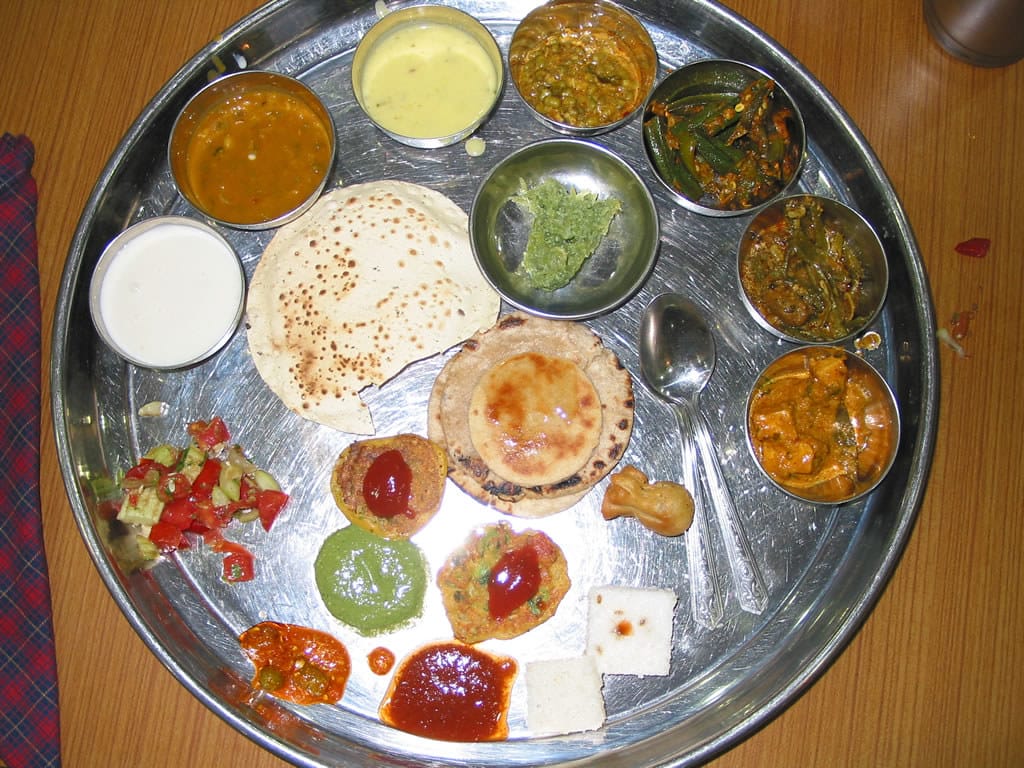
The Punjabi thali is a collection of multiple dishes served on a large plate or banana leaf, traditionally in small bowls (katoris). It is designed to offer a balanced meal with different elements representing sweet, sour, spicy, and savory flavors. A typical Punjabi thali includes:
- Roti/Naan/Paratha – Indian bread is an essential component, and Punjab offers a variety, including tandoori roti, butter naan, stuffed parathas, and missi roti.
- Dal Makhani – A creamy and buttery lentil preparation made from whole black lentils and kidney beans, slow-cooked with rich spices.
- Chole (Chickpea Curry) – A spicy and tangy chickpea dish, often cooked with a blend of aromatic spices and enjoyed with bhature (deep-fried bread) or rice.
- Paneer Dish – Dishes like Paneer Butter Masala, Shahi Paneer, or Kadai Paneer add a royal touch to the thali.
- Vegetable Curry – Seasonal vegetables cooked with spices and herbs, such as Aloo Gobi (potato and cauliflower) or Baingan Bharta (smoked eggplant mash).
- Raita – A yogurt-based side dish mixed with cucumber, onions, or boondi to balance the spice levels.
- Salad – A fresh mix of onions, cucumbers, tomatoes, and lemon wedges, adding a crunchy element to the meal.
- Pickles and Chutneys – Spicy and tangy condiments that enhance the flavors, including mango pickle, mint chutney, and tamarind chutney.
- Rice – Options like Jeera Rice (cumin-flavored rice) or simple steamed rice serve as the base for gravies and curries.
- Desserts – Traditional Punjabi sweets like Gulab Jamun, Phirni, or Gajar Ka Halwa provide a sweet ending to the meal.
- Lassi/Chaas – A cooling beverage made with yogurt, often flavored with sugar, saffron, or cardamom, completing the experience.
The Cultural Significance of Punjabi Thali
Food plays a crucial role in Punjabi culture, reflecting its agrarian lifestyle and festive spirit. The preparation of a Punjabi thali is deeply rooted in traditions, often influenced by the region’s agricultural produce. Dairy products, wheat, and pulses are extensively used, making the cuisine rich and wholesome. Punjabi households take pride in their hospitality, and serving a grand thali is a way of expressing warmth and generosity.
The concept of ‘Langar’ at Sikh Gurudwaras exemplifies Punjab’s tradition of community meals, where a simple but nutritious thali is served to everyone, regardless of their background. This practice highlights the values of equality, sharing, and gratitude embedded in Punjabi culture.
Regional Variations in Punjabi Thali
Although the core elements remain the same, variations in a Punjabi thali can be found based on regional influences and local produce.
- Amritsari Thali – Features Amritsari Kulcha, a stuffed bread with a crispy texture, along with Chole and tangy chutneys.
- Malwa Thali – Includes Sarson da Saag (mustard greens) and Makki di Roti (cornflour bread), a winter specialty.
- Doaba Thali – Known for its extensive use of dairy, featuring dishes like Kadhi Pakora and Methi Malai Paneer.
Punjabi cuisine is rich, diverse, and packed with bold flavors. A Punjabi Thali typically consists of a variety of dishes, offering a wholesome and fulfilling meal. Here are some different types of Punjabi Thali:
1. Traditional Punjabi Thali (Classic & Homestyle)
A balanced mix of flavors and textures from Punjab’s everyday cuisine.
Items included:
- Dal Makhani or Dal Tadka
- Paneer Butter Masala or Shahi Paneer
- Aloo Gobhi or Bhindi Masala
- Jeera Rice or Peas Pulao
- Tandoori Roti or Lachha Paratha
- Raita or Boondi Raita
- Pickle & Green Chutney
- Gulab Jamun or Kheer
- Papad & Salad
2. Amritsari Thali (Specialty from Amritsar)
Famous for bold, buttery flavors and rich textures.
Items included:
- Amritsari Chole
- Pindi Chana
- Kulcha (Stuffed with Potato or Paneer)
- Dal Makhani
- Raita
- Pickled Onions
- Lassi (Sweet or Salted)
- Phirni
3. Dhaba-Style Punjabi Thali (Rustic & Spicy)
Inspired by roadside dhabas, this thali is loaded with rich flavors.
Items included:
- Tandoori Roti
- Butter Chicken or Kadhai Paneer
- Dal Fry
- Jeera Rice
- Onion Salad with Green Chutney
- Masala Lassi
- Gajar Ka Halwa
4. Vegetarian Punjabi Thali
A pure vegetarian feast with rich, creamy, and spicy dishes.
Items included:
- Sarson Da Saag & Makki Di Roti (Winter Special)
- Rajma Masala
- Aloo Paratha with Butter
- Chana Masala
- Matar Paneer
- Jeera Rice
- Curd & Achaar
- Kheer or Jalebi
5. Non-Vegetarian Punjabi Thali
For meat lovers, this thali is a treat!
Items included:
- Butter Chicken or Kadhai Chicken
- Mutton Rogan Josh or Bhuna Gosht
- Amritsari Fish Fry
- Dal Makhani
- Tandoori Roti or Naan
- Jeera Rice or Peas Pulao
- Onion & Mint Chutney
- Lassi or Buttermilk
6. Street Food Punjabi Thali
A mix of popular street food items from Punjab.
Items included:
- Chole Bhature
- Aloo Tikki with Chutneys
- Samosa Chaat
- Rajma Chawal
- Pav Bhaji (Punjabi style)
- Lassi or Chaas
7. Festive Punjabi Thali (For Special Occasions)
A grand feast enjoyed during festivals and celebrations.
Items included:
- Pulao or Biryani
- Dal Makhani
- Malai Kofta
- Tandoori Roti or Naan
- Chole Bhature
- Dahi Bhalla
- Kheer & Jalebi
- Lassi with Malai
Health Benefits of Punjabi Thali
Despite its rich and indulgent nature, a Punjabi thali can be nutritious when prepared with the right balance. Lentils and pulses provide protein, dairy adds calcium, whole wheat bread offers fiber, and vegetables contribute essential vitamins. The use of spices like turmeric, cumin, and coriander enhances digestion and boosts immunity. Opting for homemade preparations with controlled ghee and butter usage can make the meal wholesome and healthy.
Conclusion
The Punjabi thali is more than just a meal; it is a culinary experience that reflects the heart and soul of Punjab. It is a harmonious blend of flavors, textures, and aromas that bring people together in the spirit of joy and togetherness. Whether enjoyed in a traditional dhaba or a modern restaurant, the Punjabi thali continues to be a favorite among food enthusiasts, symbolizing the rich and vibrant heritage of Punjab.
FAQs
General Questions
- What is a Punjabi Thali?
A Punjabi Thali is a traditional meal that includes a variety of dishes from Punjab, served on a single platter. - What dishes are typically included in a Punjabi Thali?
A Punjabi Thali usually includes dal, sabzi (vegetable dish), paneer curry, chole (chickpeas), rajma (kidney beans), roti, rice, raita, salad, and sweets. - Is Punjabi Thali vegetarian or non-vegetarian?
It can be both! A vegetarian Punjabi Thali includes dishes like dal makhani, paneer butter masala, and chole, while a non-vegetarian thali may include butter chicken, mutton curry, or tandoori dishes. - What are the key flavors in a Punjabi Thali?
Punjabi Thali is known for its rich, bold, and spicy flavors, with ingredients like butter, cream, ghee, and aromatic spices. - Is a Punjabi Thali very spicy?
It depends on personal preference! Many dishes have medium spice levels, but they can be adjusted to be mild or extra spicy.
Ingredients & Preparation
- What type of bread is served in a Punjabi Thali?
Common breads include tandoori roti, naan, paratha, and makki di roti (cornbread). - What are the common curries in a Punjabi Thali?
Popular curries include dal makhani, paneer butter masala, chole, and rajma. - Is ghee used in Punjabi Thali?
Yes, ghee is commonly used in many dishes for rich flavor and aroma. - Can I make a Punjabi Thali at home?
Yes! With basic Punjabi spices like cumin, coriander, garam masala, and fresh ingredients, you can prepare a delicious Punjabi Thali at home. - Are all dishes in a Punjabi Thali cooked in butter?
Not all, but many dishes use butter or ghee for an authentic taste.
Variations & Regional Differences
- How does Thali differ from other Indian thalis?
Punjabi Thali is richer, spicier, and heavier on dairy products compared to South Indian or Gujarati Thali. - Does Thali vary from region to region?
Yes, some versions may focus on rural Punjabi dishes like sarson da saag and makki di roti, while others have more urban dishes like butter chicken and naan. - What is the difference between a vegetarian and non-vegetarian Punjabi Thali?
A vegetarian thali focuses on lentils, paneer, and vegetables, whereas a non-vegetarian thali includes chicken, mutton, or fish dishes. - Can a Thali be customized?
Yes! Some restaurants allow you to choose your preferred dishes. - Is street-style Thali different from restaurant-style?
Yes, street-style thalis are usually spicier, oilier, and simpler, while restaurant thalis have richer gravies and more variety.
Dietary & Health Concerns
- Is Thali healthy?
It can be, depending on portion sizes and ingredients. It’s rich in proteins, fiber, and healthy fats, but some dishes can be high in calories. - Can a Thali be made gluten-free?
Yes! Instead of wheat-based roti, you can opt for makki di roti (corn roti) and skip dishes containing gluten. - Is Thali suitable for vegans?
Traditional Thali includes dairy, but vegan versions can be made using plant-based substitutes. - Does Thali contain sugar?
Some sweets like gulab jamun or kheer contain sugar, but the main dishes are mostly savory. - Can a Thali be made low-fat?
Yes, by reducing butter and ghee and opting for lighter cooking methods.
Dining & Cultural Significance
- Why is Thali so popular?
It represents the rich food culture of Punjab, known for its hearty, flavorful, and satisfying meals. - Is Thali served during festivals?
Yes, it is commonly served during celebrations like Lohri, Baisakhi, and weddings. - What drink pairs well with a Thali?
Lassi (sweet or salted buttermilk) is a classic drink served with Punjabi Thali. - How is a traditional Thali served?
It is served on a large steel or brass plate with small bowls (katoris) for each dish. - Where can I try an authentic Thali?
You can try it at Punjabi dhabas (roadside eateries), traditional restaurants, or at Punjabi households.