Read Now
Getting your Trinity Audio player ready... |
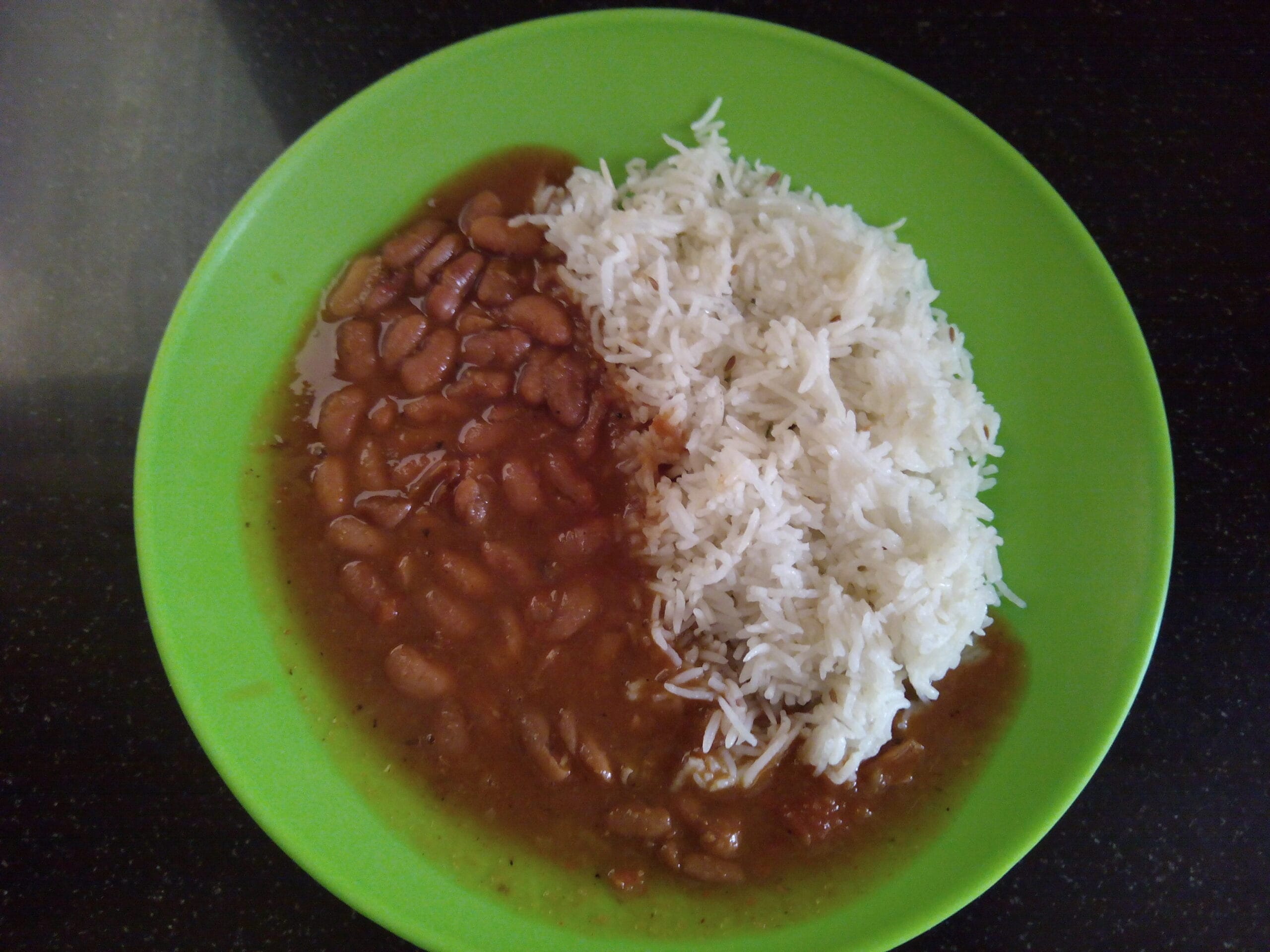
Rajma Chawal Recipe. How to cook this Famous Punjabi food?
Complete Recipe of Rajma Chawal (Punjabi Style)
Rajma Chawal is a quintessential North Indian comfort food, especially popular in Punjab. It is a wholesome meal consisting of kidney beans (rajma) cooked in a flavorful gravy and served with steamed rice (chawal). The dish is rich, hearty, and delicious, packed with proteins and is often a favorite at home, at dhabas (roadside eateries), and in Indian households.
In this detailed recipe, we will explore how to make Punjabi-style Rajma Chawal from scratch, ensuring the beans are perfectly cooked and the gravy is flavorful, aromatic, and balanced. We will also touch upon the best way to cook rice to accompany the dish. So, let’s dive in!
Ingredients for Rajma (Kidney Beans)
For Rajma (Kidney Beans) Gravy:
- 1 ½ cups kidney beans (rajma) – soaked in water for 6-8 hours or overnight
- 3 tablespoons oil (vegetable or ghee for authentic flavor)
- 1 medium onion, finely chopped
- 2 medium tomatoes, pureed or finely chopped
- 1 tablespoon ginger-garlic paste
- 2 green chilies, slit (optional, for extra heat)
- 1 teaspoon cumin seeds (jeera)
- 1 bay leaf
- 1-inch cinnamon stick
- 2-3 cloves
- 1 black cardamom (optional)
- 1 teaspoon turmeric powder
- 1 teaspoon red chili powder
- 1 teaspoon coriander powder
- 1 teaspoon garam masala powder
- Salt to taste (about 1 ½ teaspoons, or as per preference)
- 1 ½ to 2 cups water (adjust for desired consistency)
- Fresh cilantro (coriander leaves), chopped, for garnish
- 1 teaspoon dried fenugreek leaves (kasuri methi) – optional but adds authenticity
- 1 tablespoon fresh cream or butter – optional, for richness
Ingredients for Chawal (Steamed Rice)
For Rice:
- 1 cup basmati rice (soaked in water for 20 minutes)
- 2 cups water (1:2 rice-to-water ratio for basmati rice)
- 1 bay leaf (optional)
- 1 small cinnamon stick (optional)
- 1 teaspoon salt (adjust to taste)
- 1 teaspoon ghee or oil (optional, for added fragrance)
Instructions for Making Rajma (Kidney Beans)
Step 1: Soak and Cook the Rajma
- Soaking the Rajma:
Rinse the kidney beans (rajma) under cold water to remove any dirt or debris. Soak them in enough water for about 6-8 hours or overnight. This softens the beans, reduces cooking time, and improves digestibility. - Cooking the Rajma:
- Drain the soaked beans and transfer them to a pressure cooker or a heavy-duty pot.
- Add about 4 cups of fresh water and a pinch of salt to the beans.
- If using a pressure cooker, cook the beans for 4-5 whistles on medium-high heat. If using a pot, cover and cook for 45-50 minutes or until the beans are soft and tender. You can check the doneness by pressing a bean between your fingers; it should mash easily.
- Once done, set the cooked beans aside.
Step 2: Prepare the Rajma Gravy
- Heat Oil:
Heat 3 tablespoons of oil (vegetable oil or ghee for added richness) in a large pan or kadai on medium heat. - Tempering the Spices:
- Once the oil is hot, add cumin seeds (jeera). Let them splutter for a few seconds.
- Add bay leaf, cinnamon stick, cloves, and black cardamom. Stir them for about 20 seconds to release their aromatic oils.
- Sauté Onions:
Add finely chopped onions to the pan and sauté until they turn golden brown. Stir often to ensure the onions don’t burn and cook evenly. - Add Ginger-Garlic Paste:
Once the onions turn golden, add the ginger-garlic paste and sauté for another 2-3 minutes until the raw smell disappears. - Add Tomatoes and Spices:
Add the pureed or finely chopped tomatoes to the pan along with turmeric powder, red chili powder, coriander powder, and salt. Stir everything together and cook the mixture until the oil begins to separate from the masala (spice mix), which usually takes 5-6 minutes. - Add Cooked Rajma:
Once the tomatoes are cooked down and the oil has separated, add the cooked rajma (kidney beans) along with the cooking liquid (about 1-2 cups). Stir to combine the beans with the gravy. - Simmer the Gravy:
- Reduce the heat to low and let the rajma simmer for 20-30 minutes. This allows the beans to absorb the flavors of the gravy and become tender. Stir occasionally and add more water if the gravy becomes too thick.
- If you like your gravy on the thicker side, let it cook longer; for a slightly runnier version, add more water.
- Final Seasoning:
Add garam masala powder and kasuri methi (dried fenugreek leaves) for an authentic Punjabi flavor. Stir and cook for an additional 5 minutes. - Optional Addition of Cream/Butter:
For extra richness, you can stir in a tablespoon of fresh cream or butter. This will make the rajma even creamier and more indulgent. - Garnish and Set Aside:
Finally, garnish with freshly chopped cilantro (coriander leaves). Set the rajma aside, and let it rest for a few minutes for the flavors to meld together.
Instructions for Cooking Chawal (Steamed Rice)
Step 1: Rinse and Soak the Rice
- Rinse 1 cup of basmati rice thoroughly under running water to remove excess starch. Soaking the rice for 20-30 minutes helps it cook evenly and results in fluffier rice.
Step 2: Cook the Rice
- In a large pot or rice cooker, add the soaked rice and 2 cups of water. For additional flavor, you can add a bay leaf, a small cinnamon stick, or a teaspoon of ghee to the water.
- Add salt to taste (about 1 teaspoon), and bring the water to a boil over medium-high heat.
- Once the water begins to boil, reduce the heat to low, cover the pot with a tight-fitting lid, and let it simmer for 12-15 minutes, or until the rice is cooked and all the water has been absorbed.
- After the rice is cooked, let it sit, covered, for another 5 minutes. This helps the rice to fluff up further. Fluff the rice gently with a fork before serving.

Serving Rajma Chawal
- Plate the Rice:
Serve a generous portion of hot, fluffy basmati rice on each plate. - Add Rajma:
Spoon a ladleful of the rajma gravy over the rice. Ensure that the beans are evenly distributed and that the gravy is thick and flavorful. - Garnish:
Garnish the dish with fresh cilantro and, if desired, a dollop of yogurt or a squeeze of lemon juice to balance the richness of the dish. - Accompaniments:
Rajma Chawal is typically enjoyed with a side of plain yogurt (curd), pickle (like mango or lime pickle), and a simple salad of onions, cucumbers, and tomatoes.
Tips for Making the Perfect Rajma Chawal
- Soaking Rajma: Always soak the rajma for at least 6-8 hours or overnight. This ensures faster cooking and better texture. If you’re in a hurry, you can use a pressure cooker, but soaking is still the best method.
- Cooking Rajma: Ensure that the beans are cooked until tender. Undercooked rajma can be hard and gritty, which makes the dish less enjoyable. You can also cook the beans in a slow cooker for even more tenderness if you have the time.
- Masala Base: The key to a flavorful rajma is the rich masala base with well-cooked onions, tomatoes, and spices. Be patient while sautéing the onions to achieve the golden brown color and cook the tomato mixture until the oil separates. This step adds depth to the dish.
- Consistency of Gravy: Punjabi rajma usually has a thick and rich gravy. If you prefer a thinner consistency, add more water, but make sure it’s well-seasoned. If it’s too watery, let it simmer uncovered until it thickens.
- Rice Cooking: Use good quality basmati rice for the best aroma and texture. Don’t skip soaking the rice, as it results in fluffier rice. You can also use a rice cooker for perfect results every time.
- Serving Suggestions: Rajma Chawal pairs perfectly with a cooling side like yogurt or raita. You can also serve it with chapati or paratha for variation.
Health Benefits of Rajma Chawal
Rajma Chawal, a classic North Indian comfort food, is a wholesome and nourishing dish made with kidney beans (rajma) and rice (chawal). This combination offers a variety of essential nutrients and health benefits, making it not just a delicious but also a balanced and nutritious meal. Let’s dive into the health benefits of Rajma Chawal and how it contributes to overall well-being.
1. Rich in Protein
Kidney beans (rajma) are an excellent source of plant-based protein, which is crucial for muscle repair, immune function, and the production of hormones and enzymes. A single serving of rajma can provide about 15 grams of protein, making it an excellent choice for vegetarians and vegans looking to meet their protein needs. Protein is essential for the body to maintain and repair tissues, and for the growth of new cells.
When paired with rice (chawal), which provides carbohydrates, the dish forms a complete protein. This means that it contains all nine essential amino acids, which the body cannot produce on its own. While rice is low in certain amino acids, beans are rich in them, thus balancing the amino acid profile when eaten together.
2. High in Fiber
Rajma is loaded with dietary fiber, which plays a crucial role in promoting digestive health. Fiber helps in maintaining regular bowel movements, preventing constipation, and promoting gut health. It also helps in reducing the risk of colon cancer by promoting healthy bowel function.
In addition to aiding digestion, fiber helps in controlling blood sugar levels. The slow release of sugar into the bloodstream after consuming fiber-rich foods like rajma helps prevent spikes in blood sugar, making this dish beneficial for people with diabetes. The high fiber content also contributes to satiety, helping you feel fuller for longer and potentially aiding in weight management.
3. Rich in Complex Carbohydrates
Rice, the staple companion to rajma in this dish, is a source of complex carbohydrates. Complex carbs are digested more slowly than simple carbohydrates, providing a steady and sustained source of energy. This makes Rajma Chawal a great meal to fuel your body for longer periods, especially when consumed as part of a balanced diet.
Complex carbohydrates also support healthy blood sugar regulation, which is important for people managing conditions like diabetes. The slow-release energy from the carbs in rice ensures that you don’t experience the rapid blood sugar spikes and crashes that can occur with sugary foods or simple carbs.
4. Full of Vitamins and Minerals
Rajma is not only rich in macronutrients (protein, fiber, and carbohydrates) but also provides a good amount of essential vitamins and minerals. Some of the important nutrients found in kidney beans include:
- Folate (Vitamin B9): Essential for cell division and the production of red blood cells, folate helps prevent anemia and supports overall health.
- Iron: Rajma is a great plant-based source of iron, which is necessary for the production of hemoglobin and red blood cells. Iron is vital in preventing anemia and supporting energy levels.
- Potassium: This mineral helps in regulating blood pressure, supporting heart health, and maintaining proper fluid balance in the body.
- Magnesium: Rajma is a good source of magnesium, which is essential for muscle and nerve function, as well as maintaining bone health.
- Zinc: Important for the immune system, wound healing, and protein synthesis, zinc is found in moderate amounts in rajma.
When combined with rice, which contains smaller amounts of B-vitamins like niacin and thiamine, Rajma Chawal becomes a well-rounded dish that supports the body’s daily micronutrient needs.
5. Helps Manage Blood Sugar Levels
Rajma Chawal can be beneficial for people with diabetes or those looking to regulate their blood sugar levels. The combination of high fiber from rajma and the slow-digesting carbs from rice ensures that glucose is released gradually into the bloodstream, preventing sudden spikes in blood sugar.
Moreover, kidney beans have a low glycemic index (GI), meaning they cause a slower and more controlled rise in blood glucose compared to high-GI foods like white bread or sugary snacks. This makes rajma an excellent food choice for individuals managing diabetes or pre-diabetes. Adding whole grain rice, like brown rice, to the dish can further enhance its blood sugar-stabilizing properties.
6. Supports Heart Health
Both rajma and rice are heart-healthy foods when consumed as part of a balanced diet. The high fiber content in kidney beans can help reduce bad cholesterol (LDL) levels, thus lowering the risk of cardiovascular diseases. The soluble fiber in rajma binds with cholesterol in the digestive system and helps eliminate it from the body.
The potassium in rajma helps regulate blood pressure, while the magnesium content helps maintain proper heart rhythm and blood flow. Consuming a well-balanced diet rich in fiber, healthy fats, and plant-based proteins, as seen in Rajma Chawal, has been linked to a lower risk of heart disease and stroke.
7. Good for Weight Management
Because of the fiber and protein content in rajma, Rajma Chawal can be a satisfying meal that helps with weight management. Fiber helps keep you full for longer, reducing the urge to snack between meals. Protein also supports feelings of satiety, preventing overeating.
Additionally, the combination of protein and fiber with the slow-digesting carbohydrates from rice ensures that you have a balanced meal that provides energy without causing blood sugar spikes. This makes it easier to control your appetite and maintain a healthy weight.
8. Aids in Bone Health
Rajma contains important minerals like calcium, magnesium, and phosphorus that are vital for bone health. Calcium is a key nutrient for maintaining bone density and strength, while magnesium and phosphorus help in the formation of healthy bone structure. Regular consumption of kidney beans as part of a balanced diet can contribute to stronger bones and a lower risk of osteoporosis, especially when paired with other bone-strengthening foods.
9. Promotes Healthy Skin
The vitamins, minerals, and antioxidants found in rajma contribute to healthy skin. For instance, the folate and iron in kidney beans support healthy cell regeneration and oxygenated blood circulation, which are key for vibrant, glowing skin. The zinc in rajma also plays a role in maintaining healthy skin by supporting collagen production, reducing inflammation, and promoting wound healing.
Additionally, rice provides B-vitamins like niacin, which help maintain healthy skin and may aid in reducing acne and other skin conditions.
10. Sustainable and Eco-Friendly
Rajma, being a legume, is a sustainable crop that requires fewer resources like water and fertilizers compared to animal-based proteins. This makes Rajma Chawal an environmentally friendly option, particularly for those looking to reduce their carbon footprint while still getting a high-protein meal. Incorporating plant-based meals like Rajma Chawal into your diet can contribute to overall environmental sustainability.
Conclusion
Rajma Chawal is not only a delicious and comforting meal but also a highly nutritious dish with numerous health benefits. From promoting digestive health and managing blood sugar levels to supporting heart health and providing essential vitamins and minerals, this classic Indian dish has a lot to offer in terms of both taste and nutrition. Whether you’re looking for a plant-based protein source, seeking to improve your digestion, or aiming to manage your weight or blood sugar levels, Rajma Chawal is an excellent addition to a balanced diet.
FAQs
1. What is Rajma Chawal?
Rajma Chawal is a traditional Punjabi dish consisting of red kidney beans (rajma) cooked in a spicy gravy and served with steamed rice (chawal).
2. What are the main ingredients in Rajma Chawal?
The main ingredients are red kidney beans, rice, onions, tomatoes, ginger, garlic, and various spices such as cumin, coriander, garam masala, and chili powder.
3. How is Rajma prepared?
Rajma is prepared by soaking the kidney beans overnight, then cooking them until soft. The beans are then simmered in a spiced tomato-based gravy until the flavors meld together.
4. Is Rajma Chawal a vegetarian dish?
Yes, Rajma Chawal is a vegetarian dish and is also vegan if cooked without ghee or dairy products.
5. What makes Rajma Chawal so popular in Punjab?
Rajma Chawal’s popularity in Punjab is due to its hearty and comforting nature, rich flavor, and its status as a staple food in many Punjabi households.
6. Can Rajma Chawal be made in a pressure cooker?
Yes, Rajma can be cooked in a pressure cooker to save time. The soaked kidney beans are pressure-cooked until tender before being added to the gravy.
7. How long should kidney beans be soaked before cooking?
Kidney beans should be soaked for at least 6-8 hours, or overnight, to reduce cooking time and improve their texture.
8. What spices are commonly used in Rajma?
Common spices include cumin seeds, bay leaves, coriander powder, turmeric, garam masala, red chili powder, and asafoetida (hing).
9. Is Rajma Chawal healthy?
Rajma Chawal is considered healthy as it is high in protein, fiber, and essential nutrients. However, moderation is key as it can be calorie-dense.
10. What is the best type of rice to serve with Rajma?
Basmati rice is often preferred for its fragrant aroma and long grains, which pair well with the rich rajma gravy.
11. Can I use canned kidney beans for Rajma Chawal?
Yes, canned kidney beans can be used to save time, but make sure to rinse them thoroughly before cooking.
12. How spicy is Rajma Chawal?
The spiciness can be adjusted to taste by varying the amount of chili powder and other spices used in the gravy.
13. What are some variations of Rajma Chawal?
Variations include adding cream or yogurt for a richer gravy, or using different types of beans, such as black beans or pinto beans.
14. Can Rajma Chawal be frozen for later use?
Yes, Rajma Chawal can be frozen. Store the rajma and rice separately in airtight containers for up to a month.
15. What are some common side dishes served with Rajma Chawal?
Common side dishes include pickles, papad (crispy flatbread), and a simple salad of onions, tomatoes, and cucumbers.
16. How long does it take to cook Rajma Chawal from scratch?
From soaking the beans to preparing the entire dish, it typically takes around 2-3 hours, including prep and cooking time.
17. Can Rajma Chawal be made gluten-free?
Yes, Rajma Chawal is naturally gluten-free as long as the ingredients used do not contain gluten.
18. What is the nutritional value of Rajma Chawal?
Rajma Chawal is rich in protein, fiber, iron, and complex carbohydrates, making it a nutritious meal.
19. What are some tips for making the perfect Rajma Chawal?
Ensure the kidney beans are thoroughly cooked and the gravy is well-seasoned. Let the dish simmer to allow the flavors to meld.
20. Can Rajma Chawal be made in a slow cooker?
Yes, rajma can be made in a slow cooker by cooking the soaked beans on low heat until tender, then adding them to the gravy and simmering until flavors blend.
Rajma Chawal Recipe
Rajma Chawal Recipe
Rajma Chawal Recipe
Rajma Chawal Recipe
Rajma Chawal Recipe
Rajma Chawal Recipe
Rajma Chawal Recipe
Rajma Chawal Recipe
Rajma Chawal Recipe
Rajma Chawal Recipe
Rajma Chawal Recipe
Rajma Chawal Recipe
Rajma Chawal Recipe
Rajma Chawal Recipe
Rajma Chawal Recipe
Rajma Chawal Recipe
Rajma Chawal Recipe
Rajma Chawal Recipe
Rajma Chawal Recipe
Rajma Chawal Recipe
Rajma Chawal Recipe
Rajma Chawal Recipe
Rajma Chawal Recipe