Read Now
Getting your Trinity Audio player ready... |
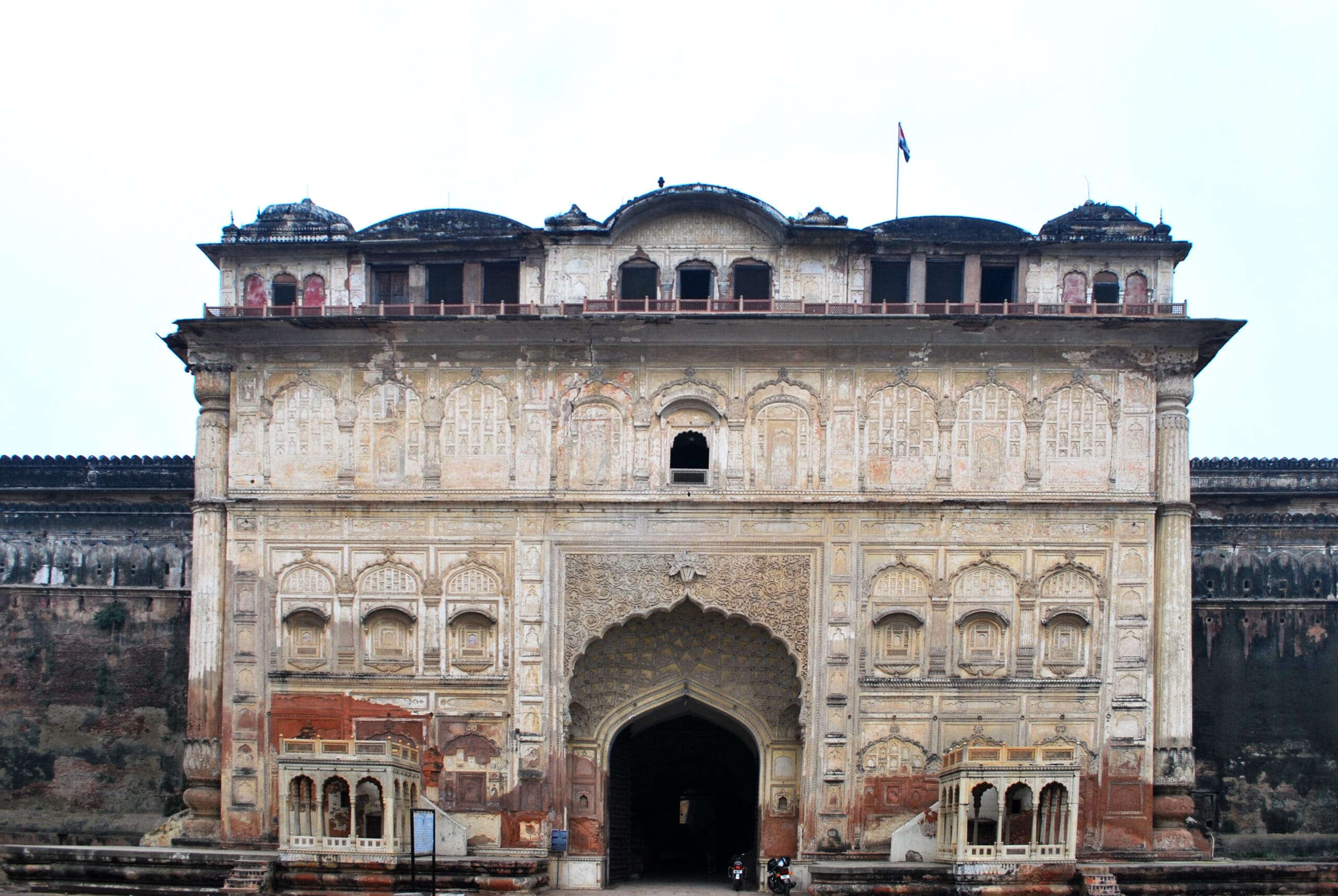
Qila Mubarak Patiala 25 Facts, History, Images, Information
25 detailed facts about Qila Mubarak, Patiala
1. Location
Qila Mubarak is located in the heart of Patiala city, Punjab. It is one of the most iconic landmarks of Patiala, representing the grandeur of Sikh architecture and the rich cultural history of Punjab.
2. Historical Significance
The fort is a symbol of Sikh royalty, serving as the seat of the rulers of the Patiala State. It was the residence of the Maharajas of Patiala and played a central role in the region’s political and cultural history.
3. Foundation Year
Qila Mubarak was constructed in 1764 by Maharaja Ala Singh, the founder of the Patiala dynasty. It served as the foundation for the establishment of Patiala city.
4. Architectural Style
The fort displays a fusion of Mughal and Sikh architectural styles, reflecting the influence of various cultural and artistic traditions during its construction.
5. Spread and Layout
The fort complex spans over 10 acres, consisting of two main sections: Qila Androon (Inner Fort) and Darbar Hall (Outer Fort). It also includes several other buildings, courtyards, and gardens.
6. Qila Androon
Qila Androon, or the “Inner Fort,” served as the residential palace for the royal family. It comprises 13 royal chambers, each adorned with exquisite frescoes, mirrors, and traditional artwork.
7. Darbar Hall
The Darbar Hall was used for official meetings and ceremonial occasions. It showcases grand arches, intricate woodwork, and ornamental chandeliers, symbolizing royal grandeur.
8. Sheesh Mahal
The Sheesh Mahal, or “Palace of Mirrors,” is a part of Qila Mubarak and is adorned with intricate mirror work and frescoes. This section highlights the artistic brilliance of the time.
9. Fortification
Qila Mubarak is surrounded by high defensive walls and features massive gates that provided security to the royal family and protected the structure from invasions.
10. Patiala Peg Connection
The “Patiala Peg”, a term associated with an oversized measure of whiskey, is believed to have originated in the royal courts of Qila Mubarak during a game of polo.
11. Religious Influence
The fort includes a Gurdwara within its premises, showcasing the integration of Sikh religious practices into the royal lifestyle.
12. Museum of Armoury
The fort houses a museum that displays a rich collection of weapons and armor, including swords, daggers, and shields used by the Patiala rulers.
13. Coins and Manuscripts
Qila Mubarak preserves ancient coins, manuscripts, and artifacts, providing insights into the economic and cultural life of the Patiala State.
14. Painting and Frescoes
The walls of Qila Mubarak are adorned with traditional Punjabi frescoes that depict mythological stories, royal court scenes, and floral designs.
15. Influence of Rajasthani Art
The frescoes and mirror work in Qila Mubarak show significant influence from Rajasthani art, reflecting the cultural exchanges between regions.
16. Royal Durbar
The Darbar Hall was used for holding royal durbars (courts), where the Maharaja interacted with nobles, advisors, and foreign dignitaries.
17. Modern Renovations
The Punjab government has undertaken renovation projects to preserve Qila Mubarak’s historical and architectural heritage, turning it into a significant tourist attraction.
18. World Monument Watch
In 2004, Qila Mubarak was included in the World Monuments Fund Watch List as an endangered site due to its deteriorating condition and need for preservation.
19. Cultural Events
The fort occasionally hosts cultural festivals and exhibitions, showcasing Punjabi traditions, music, and dance, enhancing its role as a cultural hub.
20. UNESCO Potential
Qila Mubarak has been proposed as a potential UNESCO World Heritage Site, emphasizing its architectural and historical significance.
21. Royal Legacy
The fort symbolizes the legacy of the Patiala dynasty, which played a crucial role in Sikh history and politics, especially during the British colonial period.
22. Accessible Location
The fort is situated in the city center, making it easily accessible for tourists. Its proximity to other attractions, such as Moti Bagh Palace and Baradari Gardens, adds to its appeal.
23. Restoration Challenges
Despite restoration efforts, preserving the fort’s delicate frescoes, woodwork, and mirror work remains a challenge due to environmental factors and limited resources.
24. Symbol of Power
During its peak, Qila Mubarak was a symbol of political power and prosperity, with the Patiala rulers using it to assert their influence in the region.
25. Tourism Potential
Today, Qila Mubarak is a significant tourist attraction in Punjab, drawing history enthusiasts, architects, and cultural scholars interested in exploring its rich heritage.
Qila Mubarak in Patiala stands as a testament to Punjab’s rich cultural and historical legacy. Its architecture, art, and historical significance make it a vital piece of India’s heritage, deserving of preservation and celebration.

Qila Mubarak, Patiala: A Symbol of Royal Heritage and Architectural Grandeur
Qila Mubarak, located in the vibrant city of Patiala, Punjab, is a historical and cultural landmark that has stood the test of time. As one of the most iconic monuments in northern India, it reflects the grandeur of the Sikh royalty and serves as a testament to the rich heritage of the region. Built by Maharaja Ala Singh, the founder of the Patiala dynasty, Qila Mubarak is an architectural marvel that combines traditional Sikh and Mughal styles. This sprawling fort complex is not just a relic of the past but a significant symbol of Punjab’s cultural identity. This article delves into the history, architecture, significance, and current status of Qila Mubarak, exploring its multifaceted legacy.
Historical Background
Qila Mubarak’s construction dates back to 1764 when Maharaja Ala Singh, the founder of the Patiala dynasty, laid its foundation. The fort initially served as a military bastion to defend against external invasions, but it gradually evolved into a royal palace and administrative center. Under the leadership of Ala Singh and his successors, the fort became the epicenter of the Patiala State, playing a pivotal role in the region’s political and cultural development.
The fort witnessed the rise and consolidation of the Patiala dynasty, which emerged as one of the most influential princely states in northern India. Maharaja Ala Singh’s vision for Qila Mubarak was not limited to its military utility; he intended it to symbolize the power, prosperity, and cultural sophistication of his reign. Over time, the fort became a hub of political strategy, royal festivities, and artistic expression, reflecting the legacy of the Patiala rulers.
Architectural Grandeur
Qila Mubarak is a stunning example of Sikh and Mughal architectural fusion. Spread over approximately 10 acres, the fort complex is divided into two primary sections: Qila Androon (Inner Fort) and Darbar Hall (Outer Fort). Each section is a masterpiece in its own right, showcasing intricate designs, exquisite artwork, and advanced engineering for its time.
Qila Androon (Inner Fort)
The Qila Androon served as the residential quarters for the royal family. This section of the fort is a treasure trove of artistic and architectural brilliance, featuring 13 royal chambers, each uniquely designed and adorned with elaborate frescoes, intricate mirror work, and vibrant wall paintings. These chambers reflect the influence of Rajasthani, Mughal, and Punjabi art, creating a harmonious blend of diverse artistic traditions.
The walls and ceilings of Qila Androon are adorned with detailed frescoes depicting mythological themes, floral patterns, and royal scenes. The intricate carvings on doors and windows, combined with the luxurious interiors, reflect the opulence of the Patiala royalty. The Sheesh Mahal, or the “Palace of Mirrors,” is one of the most striking features of Qila Androon, showcasing breathtaking mirror work and craftsmanship.
Darbar Hall (Outer Fort)
The Darbar Hall, also known as the “Public Audience Hall,” was used for official ceremonies, royal durbars, and meetings with dignitaries. This section of the fort is characterized by its grand arches, high ceilings, and ornate chandeliers, which add to its majestic appeal. The hall also houses an impressive collection of antique furniture, weapons, and other artifacts that provide a glimpse into the royal lifestyle.
The Darbar Hall is a testament to the grandeur of Sikh royalty, with its spacious design and elaborate decorations. The hall was strategically designed to accommodate large gatherings while maintaining an aura of regal sophistication.
Fortifications and Gates
The fort is surrounded by high defensive walls and massive gates, which served as protective barriers against potential invaders. The gates are adorned with intricate carvings and are a testament to the fort’s robust military architecture. Despite its defensive purpose, the design of the fortifications reflects a balance between utility and aesthetics.
Cultural and Historical Significance
Qila Mubarak holds immense cultural and historical significance for Punjab and India as a whole. As the seat of the Patiala dynasty, the fort played a central role in shaping the region’s history, politics, and culture. It was not just a royal residence but also a center of governance, art, and diplomacy.
A Symbol of Royal Power
Qila Mubarak was a symbol of the Patiala dynasty’s power and prosperity. The grandeur of the fort reflected the status and influence of the Patiala rulers, who were known for their progressive governance and patronage of arts and culture.
Hub of Artistic Expression
The fort was a hub of artistic expression, with its walls and interiors adorned with stunning frescoes, paintings, and carvings. The artwork in Qila Mubarak is a testament to the rich artistic traditions of Punjab and the creative vision of its rulers.
Cultural Integration
Qila Mubarak represents the cultural integration of various traditions, including Sikh, Mughal, Rajasthani, and Punjabi styles. This fusion is evident in the architecture, artwork, and overall design of the fort, making it a unique monument in Indian history.
Religious Importance
The fort also has religious significance, as it houses a Gurdwara within its premises. This highlights the integration of Sikh religious practices into the royal lifestyle and reflects the spiritual inclinations of the Patiala rulers.
Restoration and Preservation Efforts
Over the years, Qila Mubarak has faced significant challenges due to neglect, environmental factors, and lack of maintenance. The fort’s delicate frescoes, mirror work, and woodwork have suffered damage, prompting the need for restoration and preservation efforts.
Government Initiatives
The Punjab government has undertaken several initiatives to restore and preserve Qila Mubarak. The restoration work focuses on repairing structural damages, conserving artwork, and improving the overall condition of the fort. These efforts aim to revive the fort’s historical and architectural glory while promoting it as a major tourist destination.
World Monuments Fund
In 2004, Qila Mubarak was included in the World Monuments Fund Watch List as an endangered site. This recognition brought international attention to the fort’s deteriorating condition and highlighted the need for immediate preservation efforts.
Tourism and Cultural Events
Qila Mubarak is one of the most popular tourist attractions in Patiala, drawing visitors from across India and abroad. The fort offers a unique opportunity to explore the rich heritage of Punjab and experience the grandeur of Sikh royalty.
Tourist Attractions
Visitors can explore the stunning architecture, intricate artwork, and historical artifacts within the fort complex. The museum housed in Qila Mubarak displays a rich collection of weapons, coins, manuscripts, and other historical items that provide insights into the region’s history and culture.
Cultural Festivals
The fort occasionally hosts cultural festivals, exhibitions, and events that celebrate Punjabi traditions, music, and dance. These events enhance the fort’s role as a cultural hub and provide a platform for showcasing Punjab’s rich heritage.
Challenges and Future Prospects
Despite its historical and cultural significance, Qila Mubarak faces several challenges, including funding constraints, environmental damage, and limited public awareness. However, the fort also holds immense potential for tourism and cultural promotion.
Preservation Challenges
Preserving the delicate frescoes, woodwork, and mirror work in Qila Mubarak is a significant challenge. Environmental factors, such as humidity and pollution, have taken a toll on the fort’s structures and artwork.
Tourism Development
Developing Qila Mubarak as a major tourist destination requires improved infrastructure, better facilities, and effective marketing. Promoting the fort as a UNESCO World Heritage Site could attract international attention and support for its preservation.
Conclusion
Qila Mubarak stands as a magnificent symbol of Punjab’s royal heritage and cultural legacy. Its architectural grandeur, historical significance, and artistic brilliance make it a treasure trove of Indian history. As one of the most prominent landmarks in Patiala, Qila Mubarak continues to inspire awe and admiration among visitors and historians alike.
Efforts to preserve and restore this iconic monument are crucial for ensuring that its legacy endures for future generations. By promoting Qila Mubarak as a cultural and tourist destination, we can celebrate the rich history and heritage of Punjab while contributing to its preservation and global recognition.
FAQs
1. What is Qila Mubarak?
Qila Mubarak, also known as the Fort of Baba Ala Singh, is a historical fort located in Patiala, Punjab, India.
2. Who built Qila Mubarak?
Qila Mubarak was built by Baba Ala Singh, the founder of the Patiala dynasty, in 1763.
3. What is the historical significance of Qila Mubarak?
Qila Mubarak is an emblem of the Patiala dynasty’s cultural heritage and architectural splendor.
4. What architectural styles are seen in Qila Mubarak?
The fort showcases a mix of Mughal and Rajput architectural styles.
5. What can tourists see at Qila Mubarak?
Visitors can explore the Ran Baas (guest house), Darbar Hall (courtroom), Qila Androon (inner fort), an underground sewer system, and a splendid collection of chandeliers, mirrors, and paintings.
6. What is the Shish Mahal?
The Shish Mahal, or Mirror Palace, is a part of Qila Mubarak known for its beautiful mirror work.
7. What is the Darshani Gate?
The Darshani Gate is the main entrance to the Qila Mubarak complex and is an architectural marvel in itself.
8. What is the best time to visit Qila Mubarak?
The best time to visit is between October and March when the weather is cooler and pleasant.
9. Is there an entry fee for Qila Mubarak?
Yes, there is a nominal entry fee for tourists, which may differ for Indian nationals, foreign tourists, and students.
10. Are there guided tours available at Qila Mubarak?
Guided tours may be available, providing in-depth information about its history, architecture, and culture.
11. What is the nearest airport to Qila Mubarak?
The nearest airport is in Chandigarh, approximately 60 kilometers away.
12. What is the nearest railway station to Qila Mubarak?
The nearest major railway station is in Patiala city.
13. How can tourists reach Qila Mubarak?
Tourists can reach Qila Mubarak by road, taxi, auto-rickshaw, or local buses from various parts of Patiala.
14. What is the Qila Androon?
Qila Androon is the inner fort of Qila Mubarak, featuring 13 royal chambers with scenes from Hindu mythology painted in the Patiala art style.
15. What is the Museum of Armoury & Chandelier?
The Darbar Hall contains rare cannons, swords, shields, and maces, including the sword of Guru Gobind Singh.
16. What is the Lassi Khana?
The Lassi Khana is the kitchen of Qila Mubarak, showcasing traditional cooking areas and utensils.
17. What is the significance of the underground sewer system?
The underground sewer system is an engineering marvel of its time, showcasing advanced planning and construction techniques.
18. What is the role of the Nabha Foundation in Qila Mubarak?
The Nabha Foundation has been involved in the restoration and preservation of Qila Mubarak.
19. What are some special events held at Qila Mubarak?
Occasionally, cultural events, exhibitions, and festivals are organized at Qila Mubarak, celebrating the rich heritage of Punjab.
20. What is the historical background of Qila Mubarak?
Qila Mubarak was originally built as a mud fortress by Baba Ala Singh and later reconstructed in baked bricks.
Qila Mubarak patiala
Qila Mubarak patiala
Qila Mubarak patiala
Qila Mubarak patiala
Qila Mubarak patiala
Qila Mubarak patiala
Qila Mubarak patiala
Qila Mubarak patiala
Qila Mubarak patiala
Qila Mubarak patiala
Qila Mubarak patiala
Qila Mubarak patiala
Qila Mubarak patiala
Qila Mubarak patiala
Qila Mubarak patiala
Qila Mubarak patiala
Qila Mubarak patiala
Qila Mubarak patiala
Qila Mubarak patiala
Qila Mubarak patiala
Qila Mubarak patiala
Qila Mubarak patiala
Qila Mubarak patiala
Qila Mubarak patiala
Qila Mubarak patiala
Qila Mubarak patiala
Qila Mubarak patiala
Qila Mubarak patiala