Read Now
Getting your Trinity Audio player ready... |
Kadhi Recipe and 13 Health Benefits of this Punjabi Food
Punjabi Kadhi Recipe: A Culinary Delight
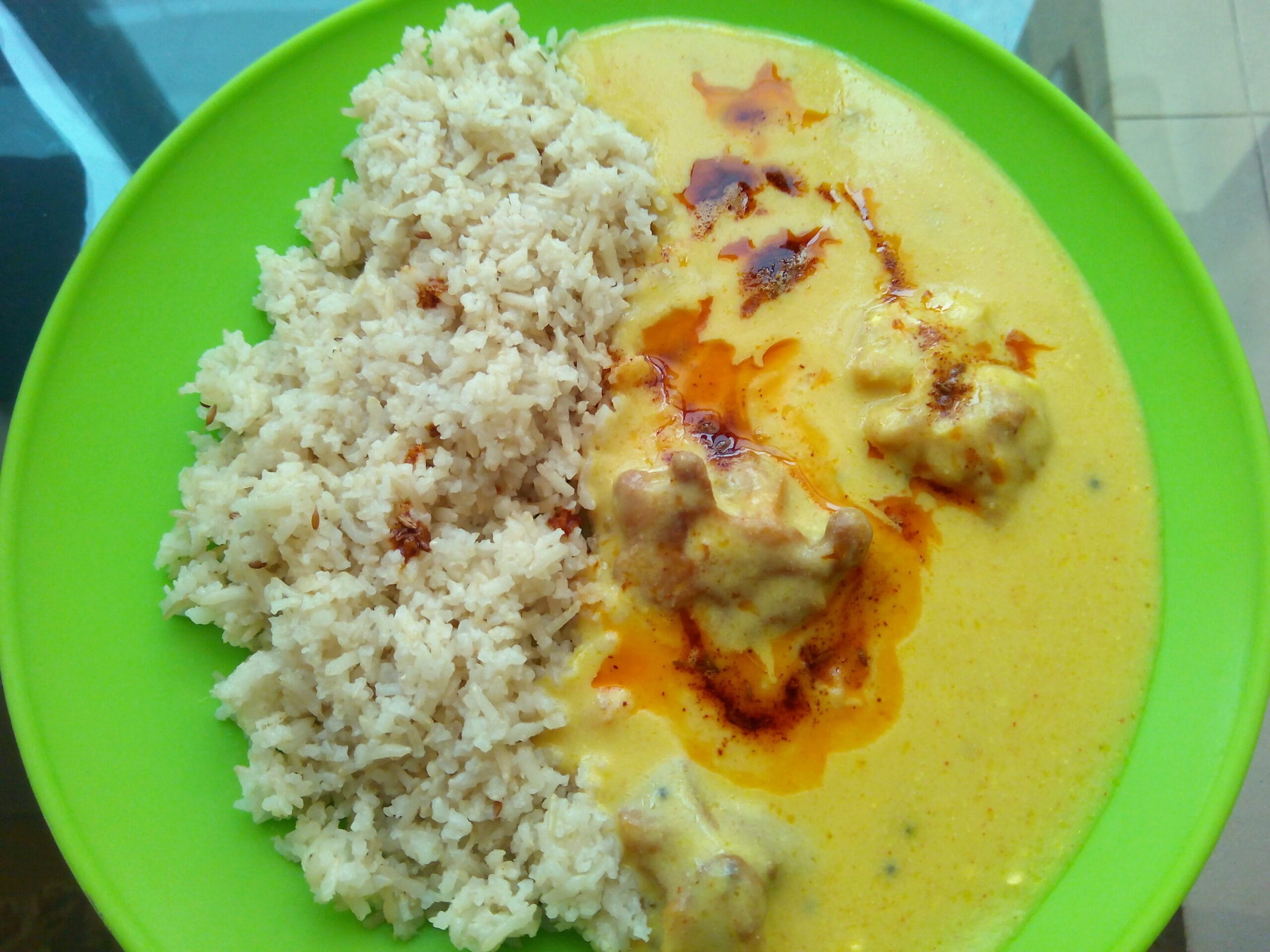
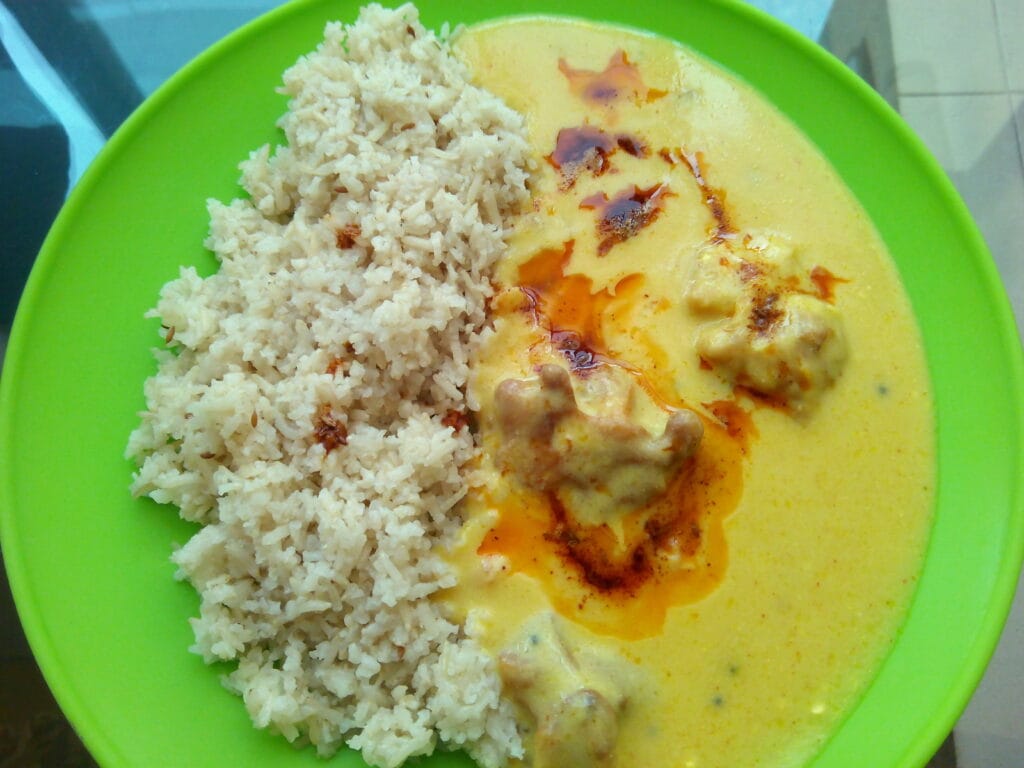
Punjabi Kadhi is one of the most beloved traditional dishes in Punjabi cuisine. Known for its rich, tangy, and creamy texture, it is made with gram flour (besan) and yogurt, simmered with aromatic spices, and often paired with crispy besan pakoras (fritters). Served with steamed rice or roti, Punjabi Kadhi is not just food but an emotion for many, symbolizing warmth, comfort, and tradition.
This dish is cherished for its simplicity yet depth of flavor, making it a staple in Punjabi households and a favorite in Indian kitchens across the globe. In this guide, we will delve deep into every aspect of Punjabi Kadhi, from its cultural significance and nutritional benefits to the detailed recipe and variations.
Cultural Significance of Punjabi Kadhi
Kadhi, in its various forms, is made across India, with each region adding its unique touch. Punjabi Kadhi stands out due to its bold flavors and the addition of pakoras, which give the dish a distinct texture and richness.
- Seasonal Delight: Punjabi Kadhi is often made during summers as the yogurt used in the recipe helps cool the body. However, its hearty nature also makes it a comfort food in winters.
- Festive Dish: It is a go-to dish for family gatherings, festivals, and special occasions.
- Comfort Food: For Punjabis, Kadhi-Chawal (Kadhi served with rice) is synonymous with a wholesome, soul-satisfying meal.
Nutritional Benefits of Punjabi Kadhi
Punjabi Kadhi is not only delicious but also packed with nutrients:
- Yogurt: A rich source of probiotics, calcium, and protein. It aids digestion and strengthens the immune system.
- Gram Flour (Besan): High in protein and fiber, besan is gluten-free and adds a nutty flavor to the dish.
- Spices: The spices used, such as turmeric and cumin, have anti-inflammatory and digestive properties.
When prepared thoughtfully, Kadhi can be both nourishing and satisfying, making it suitable for all age groups.
Traditional Punjabi Kadhi Recipe
Here’s a step-by-step guide to making authentic Punjabi Kadhi.
Ingredients
For Kadhi:
- Yogurt (dahi) – 2 cups (whisked)
- Gram flour (besan) – 3 tbsp
- Water – 4 cups
- Turmeric powder (haldi) – ½ tsp
- Red chili powder – ½ tsp
- Salt – to taste
For Tempering:
- Mustard oil or ghee – 2 tbsp
- Cumin seeds (jeera) – 1 tsp
- Fenugreek seeds (methi) – ½ tsp
- Asafoetida (hing) – a pinch
- Dry red chilies – 2
- Curry leaves – 8-10
- Garlic (chopped) – 4 cloves
- Ginger (grated) – 1 tsp
- Onion (sliced) – 1 medium
- Green chilies (slit) – 2
For Pakoras:
- Gram flour (besan) – 1 cup
- Water – as required (for batter consistency)
- Turmeric powder – ¼ tsp
- Red chili powder – ½ tsp
- Coriander seeds (crushed) – 1 tsp
- Onion (chopped) – 1 medium
- Green chilies (chopped) – 1
- Fresh coriander leaves (chopped) – 2 tbsp
- Baking soda – a pinch
- Salt – to taste
- Oil – for frying
Preparation
Step 1: Prepare the Kadhi Base
- In a large mixing bowl, whisk yogurt until smooth and lump-free.
- Add besan to the yogurt and mix well to form a smooth batter without lumps.
- Add turmeric powder, red chili powder, and salt to the yogurt-besan mixture. Gradually add water while whisking to ensure a consistent and lump-free base.
Step 2: Cook the Kadhi
- Heat mustard oil or ghee in a deep pan or kadhai over medium heat.
- Add cumin seeds, fenugreek seeds, and a pinch of asafoetida. Let them splutter.
- Add dry red chilies, curry leaves, garlic, and ginger. Sauté until aromatic.
- Add sliced onions and green chilies, cooking until the onions turn golden brown.
- Slowly pour the yogurt-besan mixture into the pan, stirring continuously to prevent curdling.
- Bring the mixture to a boil, then reduce the heat and simmer for 30-40 minutes, stirring occasionally. This helps the flavors meld and thickens the kadhi.
Step 3: Make the Pakoras
- In a bowl, mix besan, turmeric powder, red chili powder, coriander seeds, chopped onion, green chilies, fresh coriander, baking soda, and salt.
- Add water gradually to make a thick batter.
- Heat oil in a deep frying pan. Drop spoonfuls of the batter into the hot oil and fry until golden and crispy.
- Remove the pakoras using a slotted spoon and place them on paper towels to drain excess oil.
Step 4: Assemble the Kadhi
- Once the kadhi is cooked, add the pakoras to the simmering kadhi. Let them soak for 5-10 minutes before serving.
- Taste and adjust salt and spices as needed.
Step 5: Final Tempering (Optional)
- Heat a small amount of ghee in a pan. Add a pinch of red chili powder and pour this sizzling tempering over the prepared kadhi for added flavor.
Serving Suggestions
- Serve hot Punjabi Kadhi with steamed rice for the classic Kadhi-Chawal combination.
- Pair it with roti, naan, or paratha for a comforting and wholesome meal.
- Add a side of pickles, papad, or a simple cucumber salad to complete the meal.
Tips for Perfect Punjabi Kadhi
- Whisk Thoroughly: Ensure the yogurt and besan are mixed thoroughly to avoid lumps.
- Stir Continuously: While cooking the kadhi, stir frequently to prevent it from sticking to the bottom of the pan.
- Slow Cooking: Allow the kadhi to simmer on low heat for at least 30 minutes to develop its rich flavor.
- Crispy Pakoras: Fry pakoras on medium heat for a crispy texture that holds up in the kadhi.
- Balancing Spices: Adjust the tanginess by tweaking the quantity of yogurt and adding a pinch of sugar if needed.
Variations of Punjabi Kadhi
- Vegetable Kadhi:
- Add vegetables like spinach, okra, or drumsticks to the kadhi for a nutritious twist.
- Paneer Kadhi:
- Use fried paneer cubes instead of pakoras for a protein-rich version.
- Garlic Kadhi:
- Increase the amount of garlic in the tempering for a robust, garlicky flavor.
- Low-Fat Kadhi:
- Use low-fat yogurt and bake the pakoras instead of frying for a healthier option.
Why Punjabi Kadhi is Special
- Flavorful Complexity: The balance of tangy yogurt, nutty besan, and aromatic spices creates a depth of flavor that is both comforting and exciting.
- Versatility: It pairs beautifully with rice, roti, or even eaten as a soup.
- Rooted in Tradition: Punjabi Kadhi is a testament to the culinary ingenuity of Indian households, making the most of simple, everyday ingredients.
Punjabi Kadhi is more than just a dish; it is a celebration of tradition, flavor, and love. Whether served at a festive gathering or as a comforting meal on a lazy Sunday afternoon, this dish brings people together over its rich aroma and soul-satisfying taste. By following this detailed recipe and tips, you can recreate the magic of Punjabi Kadhi in your kitchen, savoring a piece of Punjab with every bite.
Health Benefits of Punjabi Kadhi
Punjabi Kadhi, a beloved dish made with gram flour (besan) and yogurt, is not only a flavorful addition to Indian cuisine but also a treasure trove of health benefits. This traditional recipe, enriched with spices, has stood the test of time, offering a combination of taste and nutrition. When prepared with wholesome ingredients and cooked mindfully, Punjabi Kadhi becomes a balanced, nutrient-rich meal suitable for various dietary needs.
In this article, we explore the numerous health benefits of Punjabi Kadhi, highlighting the nutritional value of its key ingredients and how it contributes to overall well-being.
1. Rich Source of Probiotics
One of the primary ingredients of Punjabi Kadhi is yogurt (dahi), which is a natural probiotic. Probiotics are live bacteria and yeasts that are beneficial for gut health. Regular consumption of probiotics can help:
- Improve digestion: Yogurt aids in breaking down food, making it easier for the body to absorb nutrients.
- Enhance gut microbiota: Probiotics maintain a healthy balance of gut bacteria, reducing digestive issues like bloating, gas, and constipation.
- Boost immunity: A healthy gut is closely linked to a strong immune system, protecting the body against infections.
2. Packed with Protein
Gram flour (besan), another key ingredient in Kadhi, is a rich source of plant-based protein. Protein is essential for various bodily functions, including:
- Muscle building and repair: Besan provides the amino acids required for maintaining muscle health.
- Energy production: Protein-rich foods like Kadhi help sustain energy levels throughout the day.
- Satiety: Protein promotes a feeling of fullness, which can help with weight management by curbing unnecessary snacking.
3. Supports Weight Management
Punjabi Kadhi is a low-calorie dish when prepared with minimal oil and paired with steamed rice or whole-grain bread. Its high protein and fiber content make it an excellent choice for those aiming to manage their weight. Benefits include:
- High satiety: The combination of yogurt and besan keeps you full for longer, reducing calorie intake.
- Low fat: Traditional Kadhi can be prepared with less oil, making it a healthier option compared to many other dishes.
- Digestive ease: The light and easily digestible nature of Kadhi makes it suitable for those trying to avoid heavy or fried foods.
4. Excellent for Digestion
The spices and ingredients used in Punjabi Kadhi, such as turmeric, cumin, fenugreek seeds, and asafoetida, have natural digestive properties. Here’s how they contribute:
- Turmeric: Contains curcumin, which has anti-inflammatory and antioxidant properties, aiding in digestive health and preventing conditions like acid reflux and gastritis.
- Cumin: Stimulates digestive enzymes, improving nutrient absorption and reducing bloating.
- Fenugreek seeds: Act as a natural laxative, preventing constipation and promoting regular bowel movements.
- Asafoetida (Hing): Helps relieve gas, bloating, and indigestion, making Kadhi easy on the stomach.
5. Anti-Inflammatory Properties
Punjabi Kadhi is rich in anti-inflammatory ingredients, making it beneficial for reducing inflammation in the body. Chronic inflammation is linked to various health issues, including arthritis, heart disease, and diabetes. Key anti-inflammatory components include:
- Turmeric: Known for its potent anti-inflammatory effects, turmeric helps alleviate symptoms of joint pain, swelling, and muscle soreness.
- Garlic and ginger: These spices have natural anti-inflammatory compounds that combat oxidative stress and support overall health.
6. Boosts Immunity
Several ingredients in Punjabi Kadhi contribute to a stronger immune system:
- Yogurt: Packed with probiotics, yogurt enhances gut health, which is directly linked to immunity.
- Turmeric: The curcumin in turmeric strengthens the body’s defense mechanisms by neutralizing harmful free radicals.
- Garlic: Known for its antimicrobial and antiviral properties, garlic protects against common colds and infections.
7. Supports Heart Health
Punjabi Kadhi is a heart-friendly dish when prepared with healthy cooking practices, such as using minimal oil and incorporating spices that promote cardiovascular health:
- Besan: Low in cholesterol and rich in soluble fiber, besan helps reduce bad cholesterol (LDL) levels, lowering the risk of heart disease.
- Turmeric and garlic: Both ingredients have properties that improve blood circulation and reduce blood pressure, promoting heart health.
8. Helps Regulate Blood Sugar Levels
Punjabi Kadhi can be a diabetic-friendly dish, especially when served with brown rice or a low-GI grain like millet. Key benefits for blood sugar regulation include:
- Low glycemic index (GI): Besan has a low GI, meaning it releases glucose slowly into the bloodstream, preventing spikes in blood sugar levels.
- Protein-rich: The protein content in Kadhi helps stabilize blood sugar levels.
- Spices: Ingredients like fenugreek seeds and turmeric help improve insulin sensitivity and manage glucose levels.
9. Good for Bone Health
Yogurt in Punjabi Kadhi is a rich source of calcium and vitamin D, both of which are crucial for maintaining healthy bones and teeth. Regular consumption of calcium-rich foods helps:
- Strengthen bones: Prevents osteoporosis and reduces the risk of fractures.
- Support muscle function: Calcium plays a role in muscle contraction and nerve signaling.
10. Suitable for All Ages
Punjabi Kadhi is a versatile dish that can be adapted to suit different age groups and dietary needs:
- For children: A nourishing option when paired with rice, Kadhi provides essential nutrients like protein, calcium, and probiotics to support growth and development.
- For seniors: Its light and digestible nature makes it ideal for elderly individuals, especially those with weak digestion or specific dietary restrictions.
- For health-conscious individuals: Kadhi can be made low-fat and customized with additional vegetables or baked pakoras for added nutrition.
11. Supports Skin and Hair Health
The antioxidant-rich spices and yogurt in Kadhi contribute to better skin and hair health:
- Yogurt: The probiotics in yogurt help maintain a healthy gut, which directly impacts skin clarity and reduces issues like acne.
- Turmeric: Its anti-inflammatory properties promote glowing skin and reduce signs of aging.
- Protein: Besan’s protein content supports hair growth and strengthens hair follicles.
12. Versatility for Dietary Preferences
Punjabi Kadhi is naturally vegetarian and can easily be adapted for specific dietary preferences:
- Vegan version: Replace yogurt with plant-based options like coconut yogurt or cashew yogurt.
- Gluten-free: Besan is naturally gluten-free, making Kadhi suitable for individuals with gluten intolerance.
- Low-fat: Use low-fat yogurt and air-fry or bake pakoras instead of deep-frying.
13. Mental Health Benefits
Comfort foods like Punjabi Kadhi have a unique ability to lift moods and reduce stress. The familiar aroma and taste of Kadhi can evoke feelings of nostalgia and warmth, creating a calming effect on the mind. Additionally:
- Probiotics in yogurt: Emerging research suggests a connection between gut health and mental well-being, with probiotics potentially reducing symptoms of anxiety and depression.
Conclusion
Punjabi Kadhi is a wholesome, nutrient-dense dish that offers a host of health benefits. From supporting gut health and immunity to improving digestion and heart health, Kadhi is much more than a flavorful comfort food. Its versatility makes it an excellent addition to any diet, whether you’re looking for a light meal or a protein-packed option. With its roots in tradition and its relevance to modern health-conscious lifestyles, Punjabi Kadhi is a true culinary gem that nourishes both body and soul.
FAQs
- What is Kadhi? Kadhi is a traditional Punjabi dish made from gram flour (besan) and yogurt, often served with pakoras (gram flour fritters).
- What are the main ingredients in Kadhi? The main ingredients include yogurt, gram flour (besan), turmeric, red chili powder, salt, and various spices like mustard seeds, cumin, and fenugreek seeds.
- How is Kadhi typically served? Kadhi is usually served with steamed rice or roti (Indian bread). It can also be accompanied by a side of fried pakoras.
- What is the origin of Kadhi? Kadhi has its origins in the Indian subcontinent, with variations found in different regions. The Punjabi version is particularly popular for its rich, tangy, and spicy flavor.
- What variations of Kadhi exist? Variations include Punjabi Kadhi, Gujarati Kadhi, and Rajasthani Kadhi, each with unique flavors and preparation methods.
- Is Kadhi vegetarian? Yes, Kadhi is a vegetarian dish. It can also be made vegan by using plant-based yogurt.
- Can Kadhi be made gluten-free? Yes, Kadhi is naturally gluten-free as it uses gram flour, which does not contain gluten.
- How do you make Punjabi Kadhi thicker? To make Punjabi Kadhi thicker, you can increase the amount of gram flour used or cook it for a longer time until it reaches the desired consistency.
- What are some common spices used in Kadhi? Common spices include turmeric, red chili powder, cumin seeds, mustard seeds, fenugreek seeds, and asafoetida (hing).
- What is the cooking time for Kadhi? The cooking time for Kadhi is typically around 30-45 minutes, depending on the recipe and desired consistency.
- Can Kadhi be made without yogurt? Yes, Kadhi can be made without yogurt by using a substitute like buttermilk or a plant-based yogurt alternative.
- What are Kadhi Pakoras? Kadhi Pakoras are gram flour fritters that are added to Kadhi for extra texture and flavor. They are typically made with onions and spices.
- How do you store leftover Kadhi? Leftover Kadhi can be stored in an airtight container in the refrigerator for up to 2-3 days. Reheat it gently on the stove before serving.
- Can Kadhi be frozen? Yes, Kadhi can be frozen, but it’s best to freeze it without pakoras as they may become soggy when reheated. Freeze in an airtight container for up to 1 month.
- Is Kadhi spicy? Kadhi can be mildly to moderately spicy, depending on the amount of red chili powder and other spices used.
- What nutritional benefits does Kadhi offer? Kadhi is a good source of protein (from gram flour) and probiotics (from yogurt). It also contains beneficial spices like turmeric and fenugreek.
- Can Kadhi be made in a pressure cooker? Yes, Kadhi can be made in a pressure cooker. This method can reduce cooking time and is convenient for quick preparation.
- What are some common side dishes served with Kadhi? Common side dishes include rice, roti, pickles, papad, and vegetable sabzi.
- How do you prevent Kadhi from curdling? To prevent Kadhi from curdling, use fresh yogurt at room temperature and whisk it well with gram flour before adding it to the pot. Cook on low to medium heat.
- What is the taste profile of Punjabi Kadhi? Punjabi Kadhi has a tangy, savory, and slightly spicy taste with a rich, creamy texture. The addition of pakoras adds a delightful crunch.
Kadhi Recipe and 13 Health Benefits of this Punjabi Food
Kadhi Recipe and 13 Health Benefits of this Punjabi Food
Kadhi Recipe and 13 Health Benefits of this Punjabi Food
Kadhi Recipe and 13 Health Benefits of this Punjabi Food
Kadhi Recipe and 13 Health Benefits of this Punjabi Food
Kadhi Recipe and 13 Health Benefits of this Punjabi Food
Kadhi Recipe and 13 Health Benefits of this Punjabi Food
Kadhi Recipe and 13 Health Benefits of this Punjabi Food
Kadhi Recipe and 13 Health Benefits of this Punjabi Food
Kadhi Recipe and 13 Health Benefits of this Punjabi Food
Kadhi Recipe and 13 Health Benefits of this Punjabi Food
Kadhi Recipe and 13 Health Benefits of this Punjabi Food
Kadhi Recipe and 13 Health Benefits of this Punjabi Food
Kadhi Recipe and 13 Health Benefits of this Punjabi Food
Kadhi Recipe and 13 Health Benefits of this Punjabi Food
Kadhi Recipe and 13 Health Benefits of this Punjabi Food
Kadhi Recipe and 13 Health Benefits of this Punjabi Food
Kadhi Recipe and 13 Health Benefits of this Punjabi Food
Kadhi Recipe and 13 Health Benefits of this Punjabi Food
Kadhi Recipe and 13 Health Benefits of this Punjabi Food
Kadhi Recipe and 13 Health Benefits of this Punjabi Food
Kadhi Recipe and 13 Health Benefits of this Punjabi Food
Kadhi Recipe and 13 Health Benefits of this Punjabi Food
Kadhi Recipe and 13 Health Benefits of this Punjabi Food
Kadhi Recipe and 13 Health Benefits of this Punjabi Food
Kadhi Recipe and 13 Health Benefits of this Punjabi Food
Kadhi Recipe and 13 Health Benefits of this Punjabi Food
Kadhi Recipe and 13 Health Benefits of this Punjabi Food